Kamal Ghali - Why Security Vigilance Matters
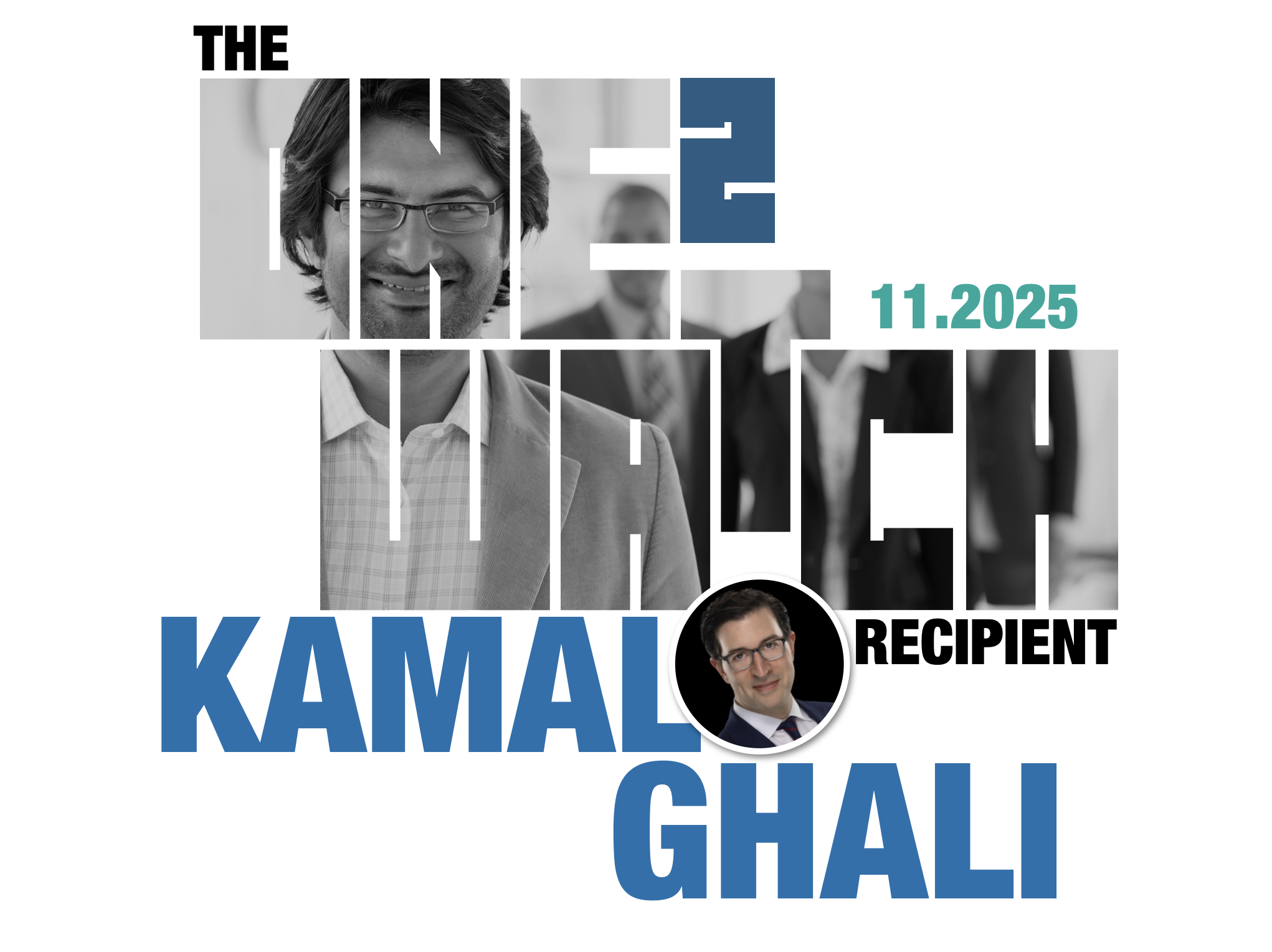

Critical Stats
LinkedIn: Check out his profile!
Started their cybersecurity journey in: 2014
Most passionate about (in cybersecurity): Holding cyber-threat actors accountable.
Favorite zero-day: Stuxnet
Favorite song: Happy Birthday
Introduction
Kamal Ghali is a highly accomplished trial attorney and legal strategist, recognized by Chambers USA as a "brilliant attorney" with a "commanding presence in the courtroom" and "fantastic ability to explain complex legal and technology-related topics." With deep expertise spanning business litigation, intellectual property, white collar criminal defense, and cybersecurity litigation, Kamal is ranked in Best Lawyers in America, Chambers, and Super Lawyers for his exceptional legal work.
Kamal is a mover and shaker!
As a former lead prosecutor of high-profile white-collar and international cybercrime cases (including the widely reported SpyEye prosecution) and recipient of a Department of Justice (DOJ) Director's Award for Superior Performance, Kamal brings a unique perspective to complex litigation. He has first-chaired numerous multi-week jury trials and secured critical victories in bet-the-company disputes, including multi-billion-dollar nuclear power plant ownership battles and major fintech intellectual property conflicts. Colleagues consistently describe him as "sharp and quick on his feet," a master strategist who anticipates all angles and delivers results when the stakes are highest. I had the privilege of seeing Kamal in action when I was in the FBI. I can attest that he is an outstanding prosecutor with a technical mind for cybersecurity.
Without further ado, we asked Kamal our standard set of 5 questions to rule them all, and here are his responses:
Five questions to rule them all!
1. What is the biggest problem we are dealing with in cybersecurity?
Staying focused and vigilant. Over the last ten years, governments and companies have invested enormously in cybersecurity. We now have access to an incredible range of cybersecurity tools and services, some of which weren’t as widely available ten years ago. But it’s hard to stay focused without a specific external crisis. And it can be hard to justify large cybersecurity budgets when organizations feel safe. I worry that we will become victims of our own success, let our guard down, and be forced to confront very serious cyberattacks that could have otherwise been prevented.
2. How can we effectively stay focused and vigilant?
We can address the challenge with strong leaders who are clear-eyed about cybersecurity risk and willing to put the resources in place to address it appropriately.
During my time at DOJ and since, I've had an opportunity to see how threat actors operate; they’re patient, sophisticated, and relentless. They count on people making mistakes; and they bank on organizations losing focus over time. Strong leaders know they need to invest resources before disaster strikes. Organizations are most vulnerable when they let their guard down.

Like our content? Do you want to see what we can do for you? Let’s chat!
3. What are three actions a CEO can take to protect their company from cyberattacks?
While CEOs don't need to become cybersecurity experts themselves, they should be familiar with and up-to-date on their organization's security strategy. Here are three things they should consider:
Surround yourself with great people that you trust.
Help build a culture that prizes data security and the protection of company information.
Have a working knowledge of high-level cybersecurity concepts that will allow you to meaningfully weigh in on and understand the company’s strategy (before a full-blown cybersecurity crisis).
4. What are some of the best resources for learning more about cybersecurity?
There’s a lot out there. I have two go-to suggestions, one is broad and the other is primarily for lawyers:
I try to read (and listen to) a range of articles and podcasts. For example, I enjoy reading posts/articles by writers like Brian Krebs and Dmitri Alperovitch, both of whom are great at making technical cybersecurity concepts accessible to general audiences.
I also enjoy content from the Sedona Conference Working Group 11, which frequently puts out timely and helpful commentary on a range of topics, including how to help organizations prepare for and respond to data breaches and how to think about complex liability issues.
5. What is one piece of advice for those wanting to pursue a cybersecurity career?
Don’t be intimidated if you don’t have a technical background. I majored in philosophy, which wasn’t the normal path to becoming a cybercrime prosecutor or to litigating business disputes involving complex data security issues. But if you work hard and if you’re genuinely excited about the work, you’ll do great.
You make me want to be a better man. If only you would do the same for others by sharing this article! LOL.